
Why 90% of Indians Regret Their Smartphone Choice - Don't Be One of Them!
Complete Guide to UPI: How Digital Payments Work in India
UPI has revolutionized how Indians pay for everything from groceries to college fees. This guide breaks down the entire UPI ecosystem for new users, business owners, and anyone curious about India’s digital payment revolution.
In this guide, you’ll learn exactly how UPI works behind the scenes, step-by-step instructions for setting up your first UPI account, and the different ways to send money instantly. We’ll also cover how businesses can integrate UPI into their operations and the security practices that keep your transactions safe.
Whether you’re making your first UPI payment or looking to implement it for your business, this comprehensive guide provides everything you need to navigate India’s fastest-growing payment system with confidence.
Understanding UPI: The Digital Payment Revolution
Understanding UPI: The Digital Payment Revolution
What is UPI and How It Transforms Banking
Unified Payments Interface (UPI) is India’s revolutionary real-time payment system developed by the National Payments Corporation of India. It allows instant money transfers between bank accounts through mobile devices, eliminating the need for account details during transactions. UPI has transformed banking by democratizing digital payments for millions of Indians.
Key Features That Make UPI Unique
UPI stands out with its seamless 24/7 availability, minimal transaction fees, and ability to link multiple bank accounts to a single app. Its unique virtual payment address (VPA) format (username@bankname) ensures users don’t need to share sensitive banking information. Additionally, UPI supports various transaction types including P2P transfers, merchant payments, bill payments, and QR code-based transactions.
Setting Up UPI for Seamless Digital Payments

Setting Up UPI for Seamless Digital Payments
Step-by-Step UPI Registration Process
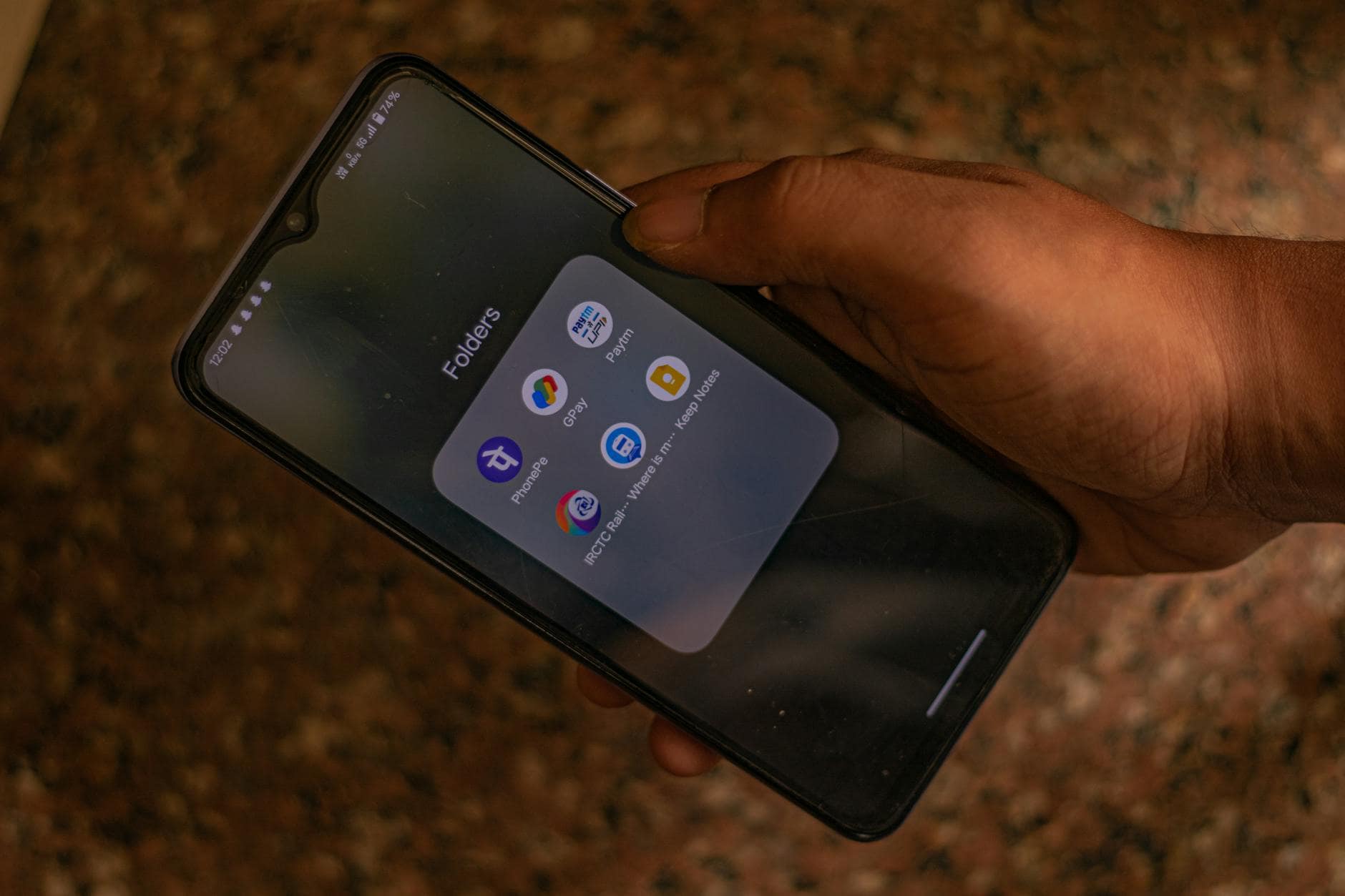
To begin using UPI, download a UPI-enabled app like Google Pay, PhonePe, Paytm, or your bank’s app. Register using the mobile number that’s linked to your bank account. Once registered, you’ll need to create a unique UPI ID (Virtual Payment Address) such as username@upi, which serves as your financial address in the digital payment ecosystem.
Creating Your UPI ID and Linking Bank Accounts
After creating your UPI ID, select your bank from the app’s list. The system automatically fetches your account details based on your registered mobile number. Verify your account by entering the one-time password (OTP) sent to your mobile. Then, set up a secure 4- or 6-digit UPI PIN that you’ll use to authorize all transactions. Remember to keep this PIN confidential and never share it with anyone.
Setting Up Secure UPI PIN Authentication
Your UPI PIN serves as the primary security mechanism for all transactions. This PIN is required whenever you make a payment, ensuring that only you can authorize transfers from your account. Create a strong PIN that’s difficult to guess but easy for you to remember. For enhanced security, change your PIN periodically and avoid using obvious combinations like birth dates.
Choosing the Right UPI-Enabled App
With multiple UPI apps available in the market, select one that best suits your needs. Popular options include Google Pay, PhonePe, Paytm, and dedicated banking apps. Consider factors like user interface, additional features, reward programs, and transaction limits when making your choice. You can also link your bank accounts to multiple UPI apps for convenience.
Multiple Ways to Send and Receive Money Through UPI

Multiple Ways to Send and Receive Money Through UPI
Payment Using UPI ID for Instant Transfers
To transfer money instantly, select ‘Send Money’ in your UPI app and enter the recipient’s UPI ID (VPA). Input the amount, add an optional message, and authorize the transaction with your UPI PIN to complete the transfer.
QR Code Scanning for Quick Payments
For quick payments, simply scan the merchant’s QR code using your UPI app. The payment details will automatically populate; you only need to enter the amount and authorize the payment with your UPI PIN.
Mobile Number-Based Money Transfers
When the recipient’s mobile number is linked to their UPI ID, you can send money directly using their phone number. Open your UPI app, select ‘Send Money’, enter the mobile number, and complete the transaction with your PIN.
Direct Bank Account Transfers via UPI
To transfer directly to a bank account, select ‘Bank Transfer’ in your UPI app. Enter the recipient’s account number and IFSC code, specify the amount, and confirm using your UPI PIN. All transactions happen instantly with real-time notifications for both parties.
UPI for Business: Streamlining Commercial Transactions

UPI for Business: Streamlining Commercial Transactions
Setting Up UPI Payment Pages for Businesses
Businesses can easily integrate UPI payment pages into their websites or apps, allowing customers to pay using UPI IDs, QR codes, and mobile numbers. This eliminates the need for card details, reduces fraud risk, and supports various payment purposes including invoices, subscriptions, and donations.
Benefits of UPI Integration for Merchants
UPI integration offers merchants immediate settlements, reducing cash flow delays, while eliminating expenses associated with POS terminals. The system features lower transaction costs with the lowest merchant discount rate available. Customers benefit from a more convenient payment method, and merchants enjoy easier reconciliation through payment gateway dashboards that track all settlements.
Faster Settlement Cycles and Lower Transaction Fees
UPI provides significantly faster settlement cycles, allowing merchants to access funds in as little as 15 minutes to 1-2 business days, compared to 2-3 days for other payment methods. Transaction fees (MDR) for UPI payments are the lowest in the market, though platforms may charge a risk fee for managing disputes, refunds, and settlements.
High Transaction Limits for Business Growth
While NPCI sets a limit of Rs. 1 lakh per transaction for P2P payments (maximum 10 per day), P2M transactions have no limit on the number of payments merchants can accept. With payment gateway integration, merchants can process unlimited transactions of any value, subject only to gateway-specific modifications.
Industries Leading UPI Adoption

Industries Leading UPI Adoption
E-commerce Payment Solutions
E-commerce has widely adopted UPI due to its convenience and instant payment capabilities. Merchants utilize UPI IDs or QR codes for both online and offline transactions, simplifying checkout processes without requiring card details or OTPs. The system supports recurring payments for subscription models and enables quick refunds, enhancing customer experience while providing increased security through PIN authentication.
Education Sector Fee Collections
Educational institutions are increasingly implementing UPI for fee collection and donations. This system allows parents to conveniently pay fees directly from their mobile phones without visiting banks. School administrators benefit from streamlined payment management through dedicated payment gateway dashboards, creating efficiency for both parties in the transaction process.
Travel and Tourism Payment Integration
UPI offers tremendous convenience for travelers as most vendors, shops, and tourist guides throughout India now accept these digital payments, reducing the need to carry cash. Expanding internationally, NPCI’s international organization has partnered with Worldline to enable Indian travelers to use UPI for payments across Europe, making travel transactions simpler.
Cross-Border Transaction Possibilities
The Government of India and NPCI are actively working to expand UPI services globally for cross-border transactions. Collaborations with foreign banks aim to facilitate remittance activities via UPI, while also enabling tourists to pay for local expenses using the platform. These initiatives seek to make international payments more cost-efficient by reducing wire transfer fees and currency conversion expenses.
UPI Payment Flow Types for Different Needs
UPI Payment Flow Types for Different Needs
UPI Intent Flow for App-Based Payments
When making app-based payments, customers can select from pre-installed UPI applications on their device. After choosing their preferred app, they simply enter their 4/6 digit UPI PIN to complete the money transfer to the recipient or merchant.
UPI Collect Flow for Payment Requests
In the collect flow system, customers first provide their Virtual Payment Address (VPA) or UPI ID. Once this information is verified, a collect notification is sent to the customer’s device, allowing them to authorize and complete the payment transaction.
Payment Links for Remote Collections
Merchants can efficiently generate payment links and distribute them to customers through various channels including SMS, email, or WhatsApp. These links enable customers to make direct payments into the merchant’s account without needing to visit a physical location.
In-App Integration for Seamless Checkout
For a more streamlined experience, merchants can integrate UPI directly within their own applications. This integration allows customers to make payments directly while shopping on the merchant’s app, creating a faster and more seamless checkout process.
Security Best Practices for Safe UPI Transactions

Security Best Practices for Safe UPI Transactions
Creating Strong UPI PINs and Protection
Always choose a strong and unique UPI PIN for your transactions that can’t be easily guessed. Never share your UPI PIN with anyone, including those claiming to be bank representatives, as legitimate institutions never ask for this information.
Avoiding Fraud Through Smart Practices
Stay alert for fraudulent calls or messages requesting your sensitive information. Banks and UPI service providers will never ask for PINs or OTPs through these channels. Additionally, avoid clicking on suspicious links related to UPI payments as these often lead to phishing attempts designed to steal your credentials.
Troubleshooting Common UPI Issues

Troubleshooting Common UPI Issues
Resolving Failed Transaction Problems
Failed UPI transactions often result from weak internet connections, incorrect UPI IDs, bank server downtimes, outdated apps, or exceeding daily limits. To resolve these issues, ensure a stable internet connection, verify recipient details carefully, and keep your UPI app updated. If bank servers seem down, waiting before retrying can help. Always check your daily transaction limits before initiating large payments.
Handling Money Deducted But Not Received
When money is deducted but not received by the recipient, banking delays, network issues, or technical glitches are typically responsible. Most cases resolve automatically within 2-4 hours. Check your transaction history for status updates. If funds aren’t credited within 24 hours, contact your bank’s customer support or the UPI app’s help desk. For persistent issues, file a complaint through the NPCI Dispute Resolution System.
Network and Server Connectivity Issues
Slow or disrupted internet connections can terminate transactions midway, causing failures. Similarly, bank server downtimes frequently trigger transaction errors. Always ensure you have a stable, active internet connection before initiating payments. When faced with bank server issues, the best approach is to wait patiently and retry your transaction later.
Transaction Limit and App-Related Problems
Exceeding daily UPI transaction limits is a common reason for payment failures. Each bank and UPI app has specific daily and per-transaction limits you must observe. Additionally, outdated or buggy UPI applications can cause various transaction problems. Regularly update your UPI app to avoid software-related issues and check your remaining transaction limit before making payments.
Future of UPI and Emerging Use Cases

Future of UPI and Emerging Use Cases
UPI Integration in E-commerce Growth
UPI continues to revolutionize e-commerce with its instant payment capabilities. The system enables faster checkout processes, eliminates the need for digital wallets through direct bank transfers, and provides enhanced security for online shopping transactions.
Automated Bill Payments and Recurring Transactions
UPI significantly simplifies utility and service bill payments including electricity, water, gas, and mobile recharges. The Auto-Pay feature automates recurring monthly bills, while one-click payments using just a UPI ID streamline the payment process. Users benefit from instant confirmation for all bill payments.
Cross-Border UPI Expansion Plans
The Government of India and NPCI are actively working to expand UPI globally for cross-border transactions. This initiative involves collaboration with foreign banks for remittance activities via UPI. The expansion will allow tourists to use UPI for local expenses and make international transfers more cost-efficient by reducing fees.
Upcoming UPI Innovations and Features
UPI Lite is being developed for small-value transactions without PIN authentication requirements. UPI Credit Services will introduce short-term credit lines associated with the payment system. Additionally, voice-enabled UPI functionality is planned to enable transactions through voice commands, significantly improving accessibility for all users.

UPI has revolutionized India’s financial landscape, bringing unprecedented convenience and efficiency to digital payments. From its simple setup process to the multiple payment methods it offers—QR codes, UPI IDs, and mobile numbers—this system has made transactions seamless for both individuals and businesses. The security features built into UPI, combined with its instantaneous processing, have propelled India toward becoming a cashless economy.
As UPI continues to evolve, we’re witnessing expanding use cases across e-commerce, bill payments, and even cross-border transactions. For businesses, the benefits are clear: faster settlements, streamlined operations, and improved customer satisfaction. Whether you’re an individual looking to simplify your daily transactions or a business aiming to optimize payment processes, adopting UPI is no longer just an option but a necessity in India’s digital-first future. Embrace UPI today and join the millions who have already transformed how they handle money in the digital age.





1 thought on “Complete Guide : How Digital Payments Work in India”